Quick take:
• Arbor material choice directly affects how long your structure holds up against Pennsylvania’s freeze-thaw cycles, humidity, and seasonal temperature swings.
• Wood, vinyl, and aluminum each carry different trade-offs in upkeep, lifespan, and cost that Reading-area homeowners should weigh before committing.
• A local contractor familiar with Berks County conditions can match the right material to your yard, budget, and intended use.
The right arbor material for a Reading home is not a one-size-fits-all decision. Pennsylvania’s four-season climate puts outdoor structures through a demanding cycle of heat, humidity, heavy rain, and repeated freezing, and the material you choose determines how much maintenance that structure will demand over its life.
If you are researching arbors in Reading PA, understanding how wood, vinyl, and aluminum each respond to local conditions is the most practical starting point. Each option has a distinct performance profile, and the differences become significant over a five- to fifteen-year horizon.
Why Pennsylvania’s Climate Shapes the Decision
The Northeast, including Pennsylvania, experiences cold, snowy winters with temperatures ranging from 0 to 30 degrees Fahrenheit, warm and humid summers reaching 70 to 90 degrees Fahrenheit, and 50 to 100 freeze-thaw cycles per winter season. For an arbor, those cycles are the primary threat to structural integrity.
Winter freeze-thaw cycles are especially damaging to wood: absorbed moisture can freeze, expand, and then thaw, weakening wood fibers and making them more susceptible to warping. Pennsylvania receives an annual average of 40 to 50 inches of precipitation spread fairly evenly across the year, and unlike arid states where wood dries quickly, the state’s humidity means damp wood stays damp.
According to Penn State Extension’s outdoor structure guidance, proper material selection and post-installation maintenance are the two factors that most directly determine how long any garden structure lasts in a mid-Atlantic climate.
Wood Arbors: Classic Appeal With a Maintenance Commitment
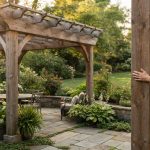
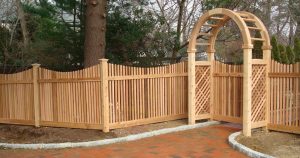
Cedar, bamboo, and redwood are classic choices for wood arbors. Each is hardy and offers natural beauty, but with wood, you should check annually for weak spots or rot.
A well-maintained wooden arbor can last 10 to 15 years. That lifespan shortens noticeably without consistent upkeep. Most wooden arbors benefit from a quality exterior stain or sealer, and in general, plan to refresh the finish every couple of years, more often in harsh climates.
For homeowners who want a warm, traditional look and are comfortable with seasonal maintenance, wood remains a competitive choice. The key is selecting the right species and committing to a sealing schedule before moisture penetrates the grain.
Wood arbor pros and cons at a glance:
• Natural, classic aesthetic that fits most residential landscapes
• Lower upfront material cost compared to aluminum
• Requires annual inspection and sealing every one to two years
• Vulnerable to rot, mold, and insect damage in humid conditions
• Lifespan of 10 to 15 years with consistent care in PA’s climate
Vinyl Arbors: Low Maintenance, Climate Caveats
Vinyl arbors are light, inexpensive, easy to install, and require little if any maintenance. However, they may not hold up to extreme heat and cold for more than a few years, and they may fall over during heavy winds or under the weight of vines.
Vinyl typically lasts 20 to 30 years depending on climate and maintenance, but it can become fragile over decades, especially with exposure to strong UV rays or shifting temperatures. In a climate like Reading’s, where summer UV exposure is high and winters bring sharp temperature drops, vinyl can crack at joints if the product grade is low.
Vinyl works best for homeowners who want minimal upkeep and plan to use the arbor as a decorative entry feature rather than a heavy vine support. Vinyl offers a uniform, clean-line look with no painting required, but it is best avoided if your climate involves regular hard frosts.
Vinyl arbor pros and cons at a glance:
• Very low maintenance, no painting or staining needed
• Moderate upfront cost
• Can crack or become brittle in freeze-thaw conditions
• Not ideal for supporting heavy climbing plants like wisteria
• Lifespan of 20 to 30 years under favorable conditions
Aluminum Arbors: Durability With Minimal Upkeep
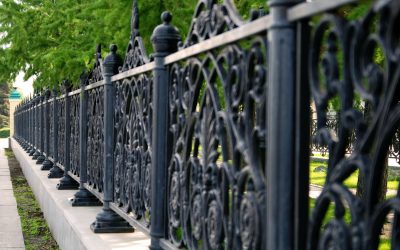
Aluminum is sturdy, maintenance-free, and long-lasting. If you already own an aluminum fence, an aluminum arbor will match. This material is particularly well-suited to Pennsylvania’s climate because it does not absorb moisture, rust, or warp under freeze-thaw pressure.
Metal arbors age gracefully and can support heavier climbing plants like wisteria, roses, or ivy. If strength and architectural style are your priorities, a metal arbor might be the right choice.
Aluminum structures often last 30 years or more with very little deterioration. The structure stays stable because it does not absorb moisture or rust. For Reading homeowners who want a long-term installation with minimal annual attention, aluminum typically delivers the best return over time.
Aluminum arbor pros and cons at a glance:
• Longest lifespan of the three materials, often 30-plus years
• No painting, sealing, or staining required
• Higher upfront cost than wood or vinyl
• Handles heavy vines and wind loads without structural compromise
• Coordinates well with aluminum fencing systems
Side-by-Side Material Comparison
| Feature | Wood | Vinyl | Aluminum |
| Typical Lifespan (PA climate) | 10-15 years | 20-30 years | 30+ years |
| Maintenance Level | High | Low | Very Low |
| Freeze-Thaw Resistance | Low | Moderate | High |
| Vine Load Capacity | Moderate | Low | High |
| Upfront Cost | Lower | Moderate | Higher |
| Aesthetic Options | Widest variety | Limited | Modern and traditional |
Matching Material to Your Yard and Goals
An arbor is a small freestanding garden structure with an open frame, typically made from wood, metal, or vinyl. It is commonly installed over pathways, gates, or garden entrances to create a defined architectural feature within the landscape.
Before choosing a material, consider these practical questions:
1. How much maintenance are you willing to do? Wood demands the most attention; aluminum demands the least.
2. What will the arbor support? Heavy climbers like wisteria require aluminum or a robust wood frame. Lightweight annual vines work on any material.
3. Does it need to match existing structures? A spot exposed to rain or wind needs a material that can withstand it, such as metal or vinyl over untreated wood. The arbor should also match the rest of the yard, not sit like a separate project dropped in.
4. What is your budget horizon? Wood costs less upfront but more over time; aluminum costs more upfront but less over a decade.
Working With a Local Contractor in Berks County
Local contractors have direct, hands-on experience with Pennsylvania’s freeze-thaw cycles, frost line depths, snow load requirements, and county-specific building codes. This regional knowledge directly influences footing design, material selection, and hardware specifications in ways that protect your investment.
Verified services from local specialty contractors in the Reading area include arbors, pergolas, aluminum fencing, vinyl fencing, wood fencing, gate installation, and railing installation. Choosing a contractor who handles multiple material types gives you an honest comparison rather than a pitch for whichever product a single-supplier shop carries.
Frequently Asked Questions
What is the most durable arbor material for Reading, PA? Aluminum is the most durable option for Pennsylvania’s climate. It resists freeze-thaw damage, does not absorb moisture, and requires no sealing or painting. Lifespan commonly exceeds 30 years.
How often does a wood arbor need to be sealed in Pennsylvania? Most wooden arbors benefit from a quality exterior stain or sealer, and in general, plan to refresh every couple of years, more often in harsh climates like Pennsylvania’s.
Can a vinyl arbor support climbing plants? Light annual vines are manageable, but vinyl arbors may fall over during heavy winds or under the weight of vines. For heavier climbers, aluminum or a well-braced wood frame is the safer choice.
Do I need a permit to install an arbor in Berks County? Permit requirements vary by municipality. Check with your local township or borough building office before installation, as footing depth and structural requirements differ across Berks County communities.
Should an arbor match my existing fence? Matching materials creates a cohesive look and simplifies long-term maintenance since all components age at a similar rate. If you have an aluminum fence, an aluminum arbor is a natural pairing.
Ready to Plan Your Arbor Installation?
Choosing the right material is the first step. The second is working with a contractor who knows how Reading-area conditions affect outdoor structures year after year. AKA The Fence Company serves Berks County and the surrounding region, offering arbors as part of a broader range of specialty outdoor structure services. Contact their team to discuss material options, placement, and what works best for your property’s specific conditions.